

FLEA & TICK CONTROL
Fleas and ticks travel by invitation. The dog brings them in from the yard, the cat brings them off the porch, and you bring them home on your pant leg. Fleas move into the carpet and start a family. Ticks are more patient, waiting in the tall grass for whoever walks past next.
FLEA & TICK CONTROL,
DONE THE NINEFOLD WAY
- We treat the whole life cycle: Most of a flea population isn’t on your pet. It’s eggs, larvae, and pupae waiting in the carpet, the bedding, and the yard. Treating only what’s visible leaves the next generation ready to hatch.
- Inside and out: We treat where pets sleep and where they play: carpets, baseboards, and pet areas indoors, then the humid spots outside along fence lines, under decks, and in the grass where ticks wait..
- Start with your pets: Your animals need to be treated for fleas and ticks before we arrive. It’s the first step, and treatment won’t hold without it.
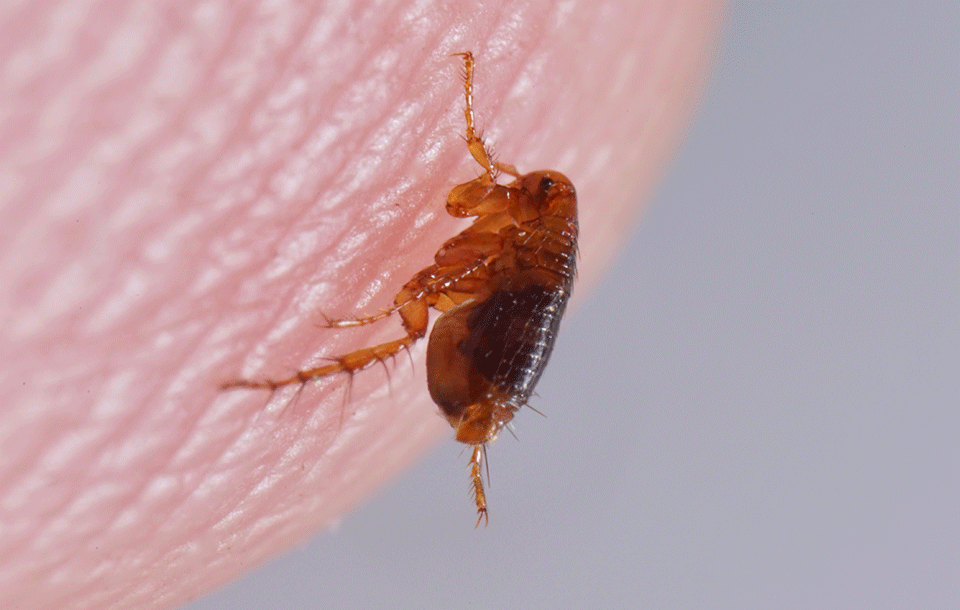
WHY FLEAS & TICKS GET INSIDE
Fleas multiply fast: One female lays up to 50 eggs a day, and the cycle from egg to biting adult can finish in under a month. That’s why a flea problem seems to appear overnight.
Ticks wait to be picked up: They don’t fly or jump. They climb a blade or a leaf and hold on until something brushes past, usually along wooded edges and where a mowed lawn meets the overgrowth. The young ones, about the size of a poppy seed, are the ones most likely to carry disease.
The yard keeps restocking them: Deer, rodents, and stray cats drop fleas and ticks as they pass through. Treating indoors without treating outside just means a fresh supply arrives with the next visitor.
HOW IT WORKS

INSPECT
Your technician starts with a conversation, then walks your property to find activity, entry points, and risks worth watching.
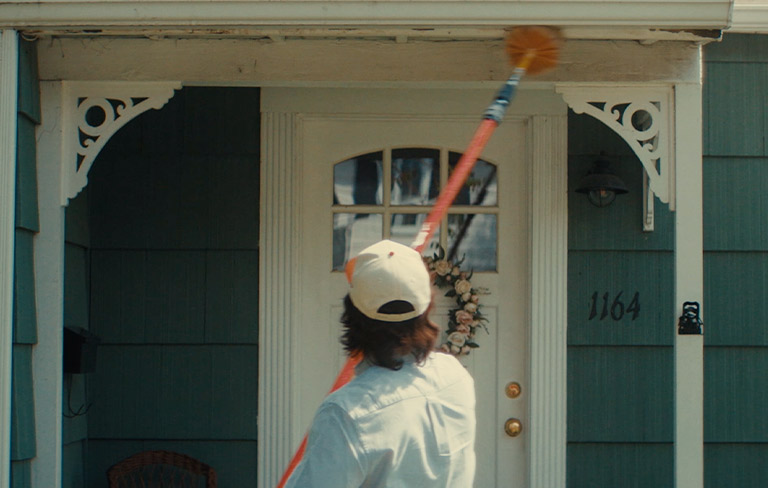
PROTECT
Webs and nests come down, the foundation and key areas get treated, entry points are addressed, and the interior is treated as needed.

PROVE
Before leaving, your technician recaps the visit. Afterward, you get a video of the service, backed by our Worry-Free Guarantee.
FREQUENTLY ASKED QUESTIONS
Plan on weeks, not days. Even when the pet, the house, and the yard are all handled at once, three to four weeks is a realistic minimum, and a heavy infestation can run longer. That’s biology, not effort. The pupae are shielded inside their cocoons and keep hatching in waves after treatment, which is why the calendar is set by the flea’s life cycle rather than by how much you spray.
Yes, and before we come out. Your animals need to be treated for fleas and ticks first, since untreated pets reintroduce the problem as fast as we handle it. Your vet is the right source for what to use on them. We handle everything else.
Usually because it’s working. Treatment kills the adults quickly, but the eggs and pupae already in the carpet and yard keep emerging for weeks, and those new fleas die once they hit treated surfaces. What you’re watching for is the trend. Fewer each week means the cycle is breaking. If activity is still climbing after a month, call us back.
Longer than you’d think, which is why checking matters. In most cases, an infected tick has to stay attached more than 24 hours before Lyme can be transmitted, so removing one within a day greatly reduces the risk. Check yourself, your kids, and your pets after time outdoors, and pull any tick off right away with fine-tipped tweezers.
Not if fleas are already inside. Yard treatment cuts off the supply and it’s where ticks live, so it does real work. But once fleas have established indoors, the population in the carpet and pet bedding has to be treated too, or you’re solving half the problem.
Mostly, but not entirely. Both are busiest in warm, humid weather, and tick activity picks up again in fall. Fleas are the exception indoors, where a heated house keeps the cycle going straight through winter.
GET STARTED TODAY!
GET A FREE QUOTE
Fleas and ticks don’t pay rent. Time they moved out. Tell us a little about your property, and we’ll send a free, no-obligation quote. No hidden fees, no confusing contracts, just a clear price for your home. Fill out the form, and we’ll take it from there.