
ANT CONTROL
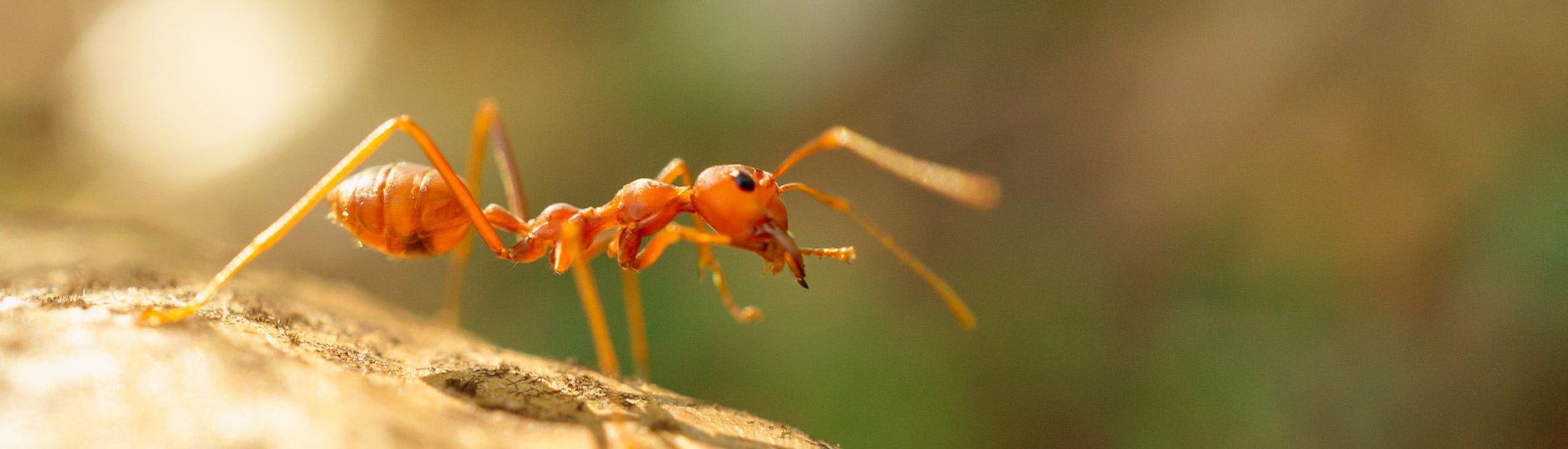
One ant is a scout. By dinner, it’s a parade. Ants follow each other’s trails straight to food and water, which is why spraying the line you can see rarely solves the problem. Ninefold Pest finds where they’re coming from and treats the source, inside and out.
ANT CONTROL
DONE THE NINEFOLD WAY
Here’s what you get when you call us about ants:
- Treatment where it counts: Baits go where ants feed, and treatments go into cabinets, along baseboards, and around the foundation and entryways, so we hit the colony, not just the trail.
- Plain talk, clear answers: Your technician tells you which ants you’re dealing with, what drew them in, and what will keep them out.
- Built to stay ahead: Regular visits catch new colonies early, so the parade doesn’t come back.
Seeing large black ants near wood? Visit Carpenter Ant Control.
WHAT BRINGS ANTS INSIDE
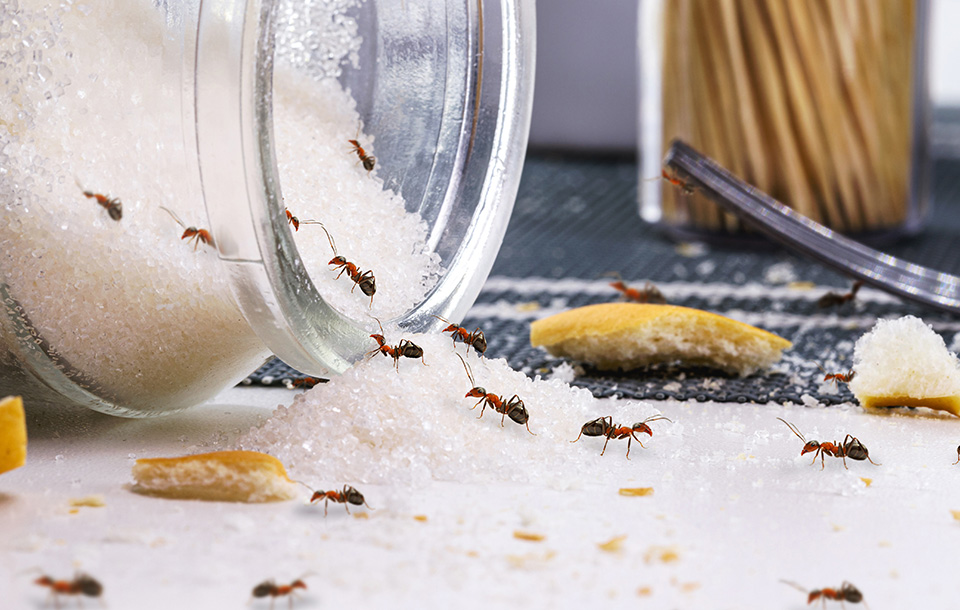
Food: A few crumbs, a sticky spill, or an open bag of pet food is all a scout needs. We place baits right along their route, so they carry it back to the nest.
Water: Ants need moisture, so leaky pipes and damp corners draw them in. During inspection, we check kitchens, bathrooms, and anywhere water collects.
A way in: Gaps around doors, windows, and utility lines are open invitations. We treat along those gaps to cut off the route.
HOW IT WORKS
INSPECT
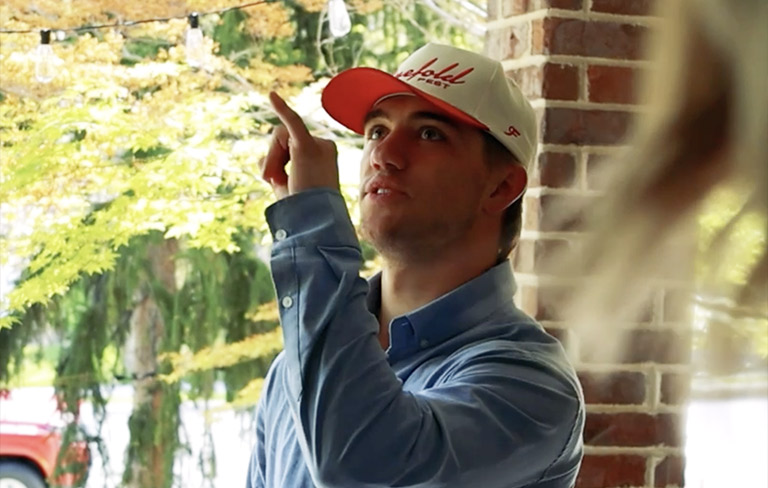
Your technician starts with a conversation, then walks your property to find activity, entry points, and risks worth watching.
PROTECT
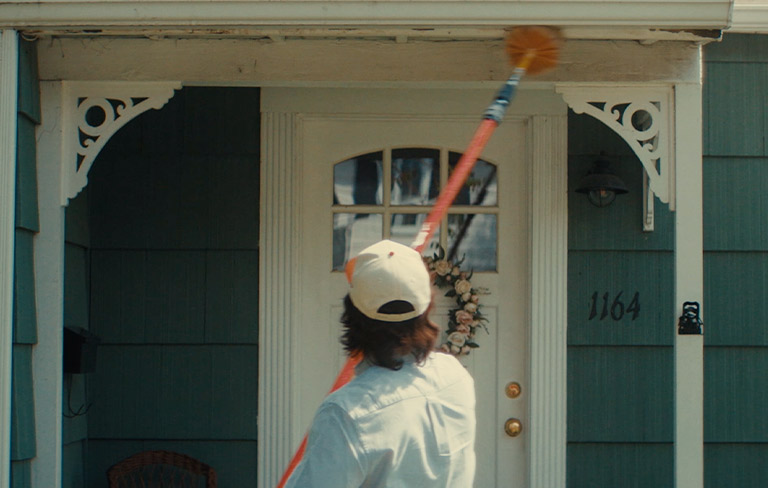
Webs and nests come down, the foundation and key areas get treated, entry points are addressed, and the interior is treated as needed.

PROVE
Before leaving, your technician recaps the visit. Afterward, you get a video of the service, backed by our Worry-Free Guarantee.
FREQUENTLY ASKED QUESTIONS
Sometimes. A small trail from one ant is often solved by cleaning the area and sealing the gap it came through. If the trail keeps returning, comes back in a different room, or you spot winged ants indoors, the colony is established, and store-bought spray won’t reach it.
Store-bought spray kills the ants you can see, which is a tiny share of the colony. Baits work differently, since ants carry them back and share them. The catch is matching the bait to what that species is feeding on and placing it where they actually travel: inside cabinets, under appliances, and along routes you never see.
Yes. Some ants are after grease, others sweets, and some nest indoors while others come in from the yard. Your technician identifies which one you have, because the wrong bait is one ants will walk right past.
You may see more ants in the first few days after baiting, which means they’re carrying the bait back to the nest. Activity drops as the colony takes it in. Species, colony size, and pressure from outside affect the pace, and your technician will tell you what to expect for your situation.
Common household ants are a nuisance, not a threat to your home. Carpenter ants are the exception: they tunnel through damp or damaged wood to nest, which can weaken it over time. If you’re seeing large black ants near wood, visit Carpenter Ant Control. (link)
Not much. It helps to leave the ant trails where they are, since those lines show us where they’re traveling and where they’re getting in. Clear access to under-sink cabinets and along baseboards if you can, and make a note of where you’ve been seeing them and when.
Yes. Activity climbs as it warms up and colonies grow through summer. When the weather turns, ants look for somewhere to wait it out, and that somewhere is often your walls. Regular service through the year keeps a spring trail from becoming a fall problem.
GET STARTED TODAY!
GET A FREE QUOTE
Sawdust where sawdust shouldn’t be? Tell us a little about your property, and we’ll send a free, no-obligation quote. No hidden fees, no confusing contracts, just a clear price for your home. Fill out the form, and we’ll take it from there.