
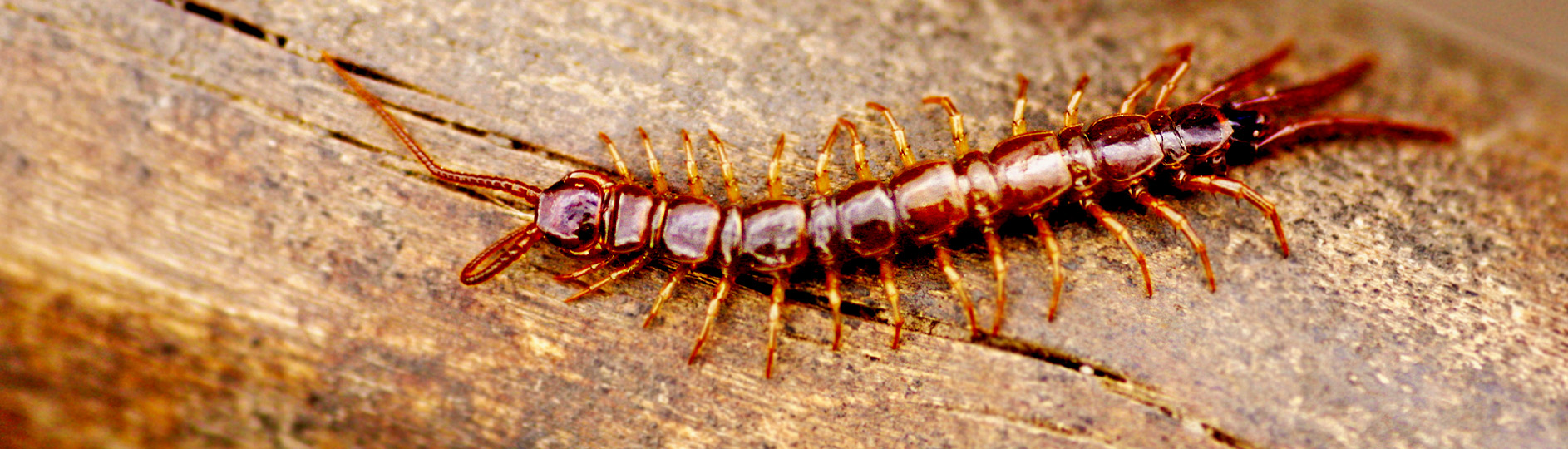
CENTIPEDE CONTROL
A centipede in the bathtub is nobody’s idea of a good morning. But it’s also a clue: centipedes are hunters, and they come indoors chasing other insects. They only stay where it’s damp enough to survive. So if you’re seeing them, something else is going on, and that’s the part worth fixing.
CENTIPEDE CONTROL,
DONE THE NINEFOLD WAY
- We go after the food supply: Centipedes eat the insects already living in your home. Our general pest service treats what they’re hunting, and the centipedes follow their dinner out the door.
- We find the moisture: Damp basements, crawlspaces, and leaky corners are what let them settle in. Your technician checks for the source and tells you what’s causing it.
- We treat where they travel: Centipedes stay low and out of sight, so treatments go along baseboards, foundations, and the gaps they slip through.
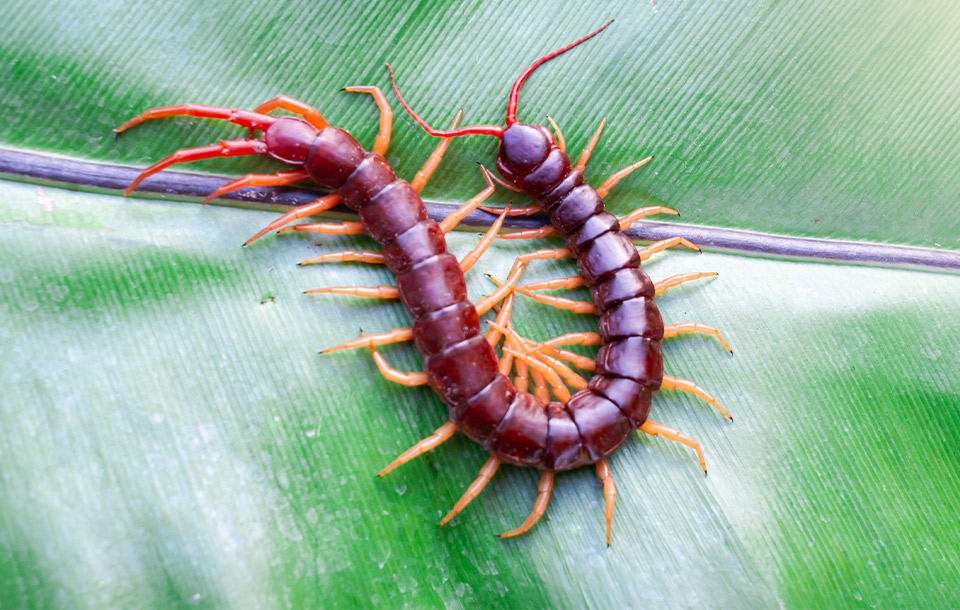
WHY CENTIPEDES SHOW UP INDOORS
They’re following the food: Centipedes hunt spiders, silverfish, roaches, and other insects. A house with a steady supply is worth moving into, which is why centipedes are usually the second pest problem, not the first.
They need it damp: Centipedes dry out fast, so they stay where the moisture is. Crawlspaces, under sinks, and behind the washer are the usual spots.
They come in low: Gaps under exterior doors, foundation cracks, and utility openings are the way in, usually at night. Mulch and leaf piles against the house are where they wait.
HOW IT WORKS

INSPECT
Your technician starts with a conversation, then walks your property to find activity, entry points, and risks worth watching.
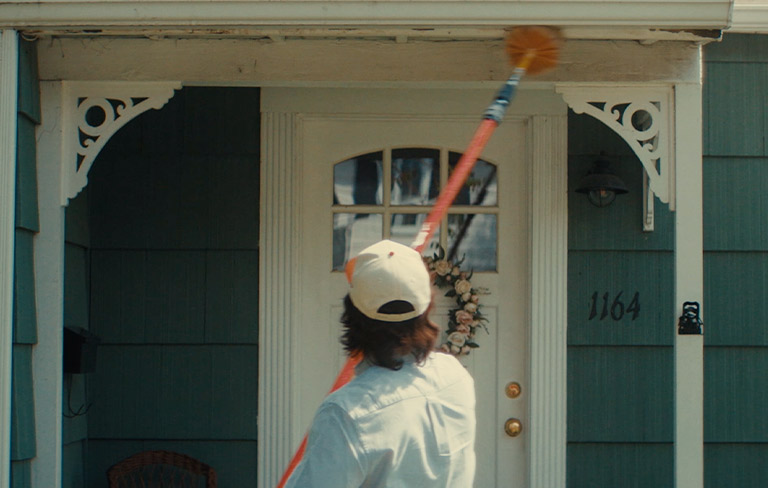
PROTECT
Webs and nests come down, the foundation and key areas get treated, entry points are addressed, and the interior is treated as needed.

PROVE
Before leaving, your technician recaps the visit. Afterward, you get a video of the service, backed by our Worry-Free Guarantee.
FREQUENTLY ASKED QUESTIONS
Not dangerous, no. House centipedes rarely bite, even when handled, and their fangs usually aren’t strong enough to break human skin. If one does connect, it feels like a small bee sting and fades within a day or two. They don’t carry disease, and they don’t damage your house.
Because that’s where the water is. Bathrooms, basements, laundry rooms, and crawlspaces hold the moisture they need. The ones in the tub or sink usually fell in and couldn’t climb back out.
Dry them out. Centipedes need humid air to survive, so keeping indoor humidity below about 50 percent makes those damp spaces unlivable for them. A dehumidifier, a repaired leak, and decent ventilation do more than any spray. From there, it’s sealing gaps at doors and the foundation, clearing damp mulch away from the house, and treating the insects that came in to hunt.
One centipede usually means nothing at all. Seeing them regularly is different: it means there’s enough moisture for them to live in and enough insects for them to eat. That second part is the more useful clue, since centipedes are feeding on something already in the house.
They do eat other pests, and that’s a fair point in a garage or a crawlspace. Most people draw the line at the kitchen floor at midnight. There’s also a catch: if centipedes are thriving indoors, they’re thriving on a pest population you didn’t know you had, so their presence is worth acting on either way.
Not on its own. Treatment handles the centipedes that are there and the insects they’re hunting, but if the area stays damp, new ones will keep coming in. That’s why your technician looks for the moisture source and tells you what’s causing it.
GET STARTED TODAY!
GET A FREE QUOTE
Seeing centipedes more often than you’d like? Tell us a little about your property, and we’ll send a free, no-obligation quote. No hidden fees, no confusing contracts, just a clear price for your home. Fill out the form, and we’ll take it from there.